

Compact capability

Chaos contained

Reducing waste in good taste

Precision, hand delivered
On-brand, in-hand, and ahead of the curve
This soldering iron slots straight into iFixit’s ecosystem – but it doesn’t just blend in, it levels up. We dialled in a design language that speaks fluent iFixit: clean, honest, and purpose-built. But then we sharpened the edges, refining every curve and contour to create a tool that feels as good as it looks.
It’s sleek without being flashy, smart without being complicated, and comfortable enough to disappear in your hand when you’re in the zone. A quiet achiever, by design.

Fix, don’t flick
This tool isn’t just for soldering – it’s for starting a movement. We designed it to champion repair over replacement, to make fixing feel less like a chore and more like a flex.
From tight component work to quick fixes, it empowers users to extend the life of their gear and stick it to planned obsolescence while they’re at it.

Sharp where it counts
This isn’t some watered-down consumer gadget pretending to be pro. It’s built from the inside out for speed, accuracy, and finesse. Instant heat-up, surgical control, and a tip that means business—it’s the kind of tool that turns first-timers into lifelong fixers. It’s precision with punch.
The repairable repair tool
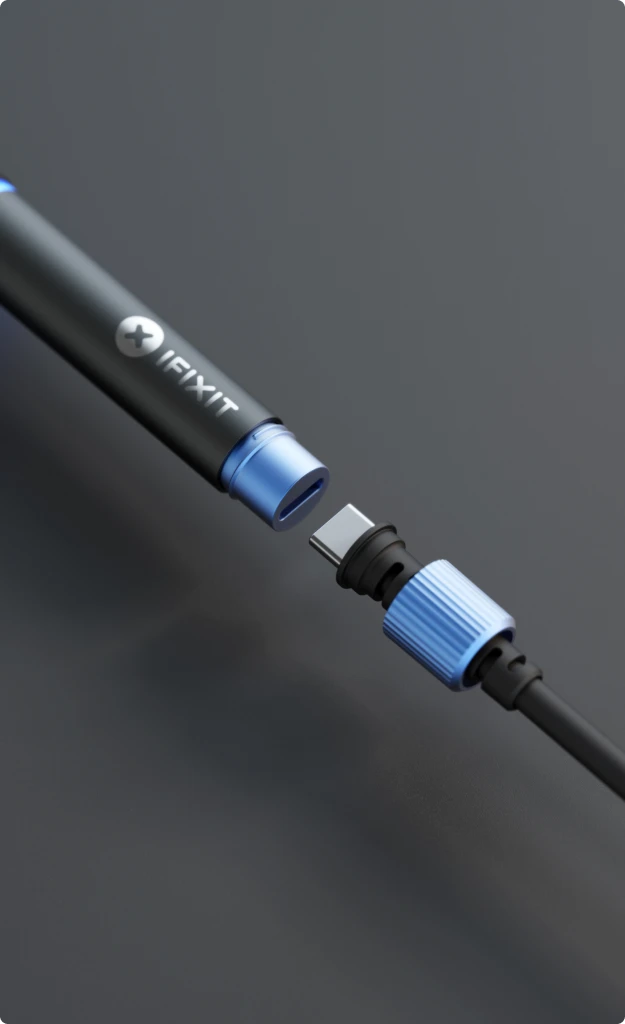
Here’s a wild idea: what if the tool you use to fix stuff was also… fixable? Radical, we know. This soldering iron was built with disassembly in mind. Modular components, no proprietary traps, and screws where screws should be.
Because repairability shouldn’t stop at the things you’re working on – it should include the tools you’re working with.

Beauty in the details, purpose in the form
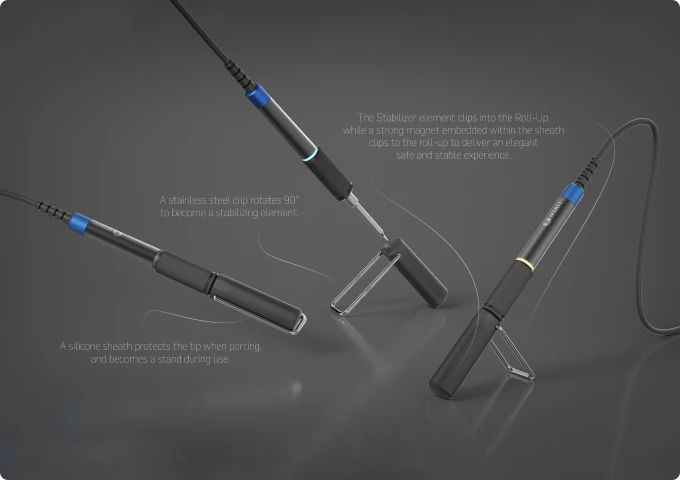
This is what happens when nothing’s left to chance. From the anti-roll geometry to the grip-enhancing textures, every aspect of the soldering iron was obsessively refined—not just to look sharp, but to work smart.
The body shape fits naturally in the hand; the surface finishes feel precise, not precious. It’s design that disappears in use, but rewards a closer look. No fluff, no filler – just form that follows real function, beautifully.

“Like the soldering iron they helped design, the team was fast, responsive, and highly skilled. They quickly grasped our users' needs and delivered an intuitive, user-friendly design with impressive efficiency.”
brett hartt /// chief engineer, ifixit
The process behind the precision
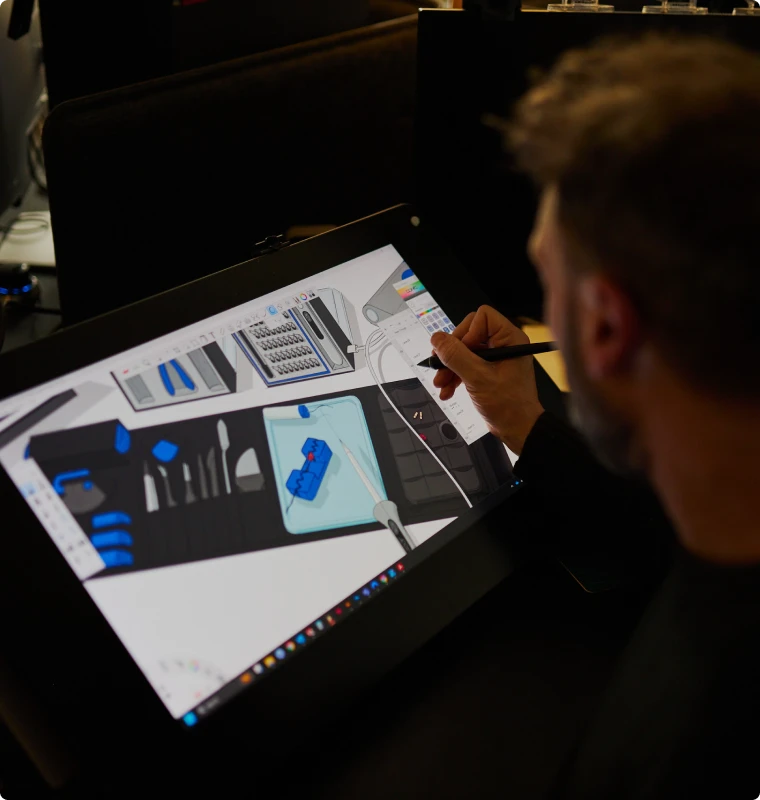
This was a hands-on, iterative process from day one. We 3D printed. We tested. We refined. Getting the in-hand feel just right meant building and evaluating physical prototypes, over and over, because designing for use means designing in context.
We also zoomed out to think system-wide: how this tool integrates into iFixit’s ecosystem, how it stores, travels, and complements the broader kit. It’s the kind of process that doesn’t always show up in the final form, but it’s there in every detail.



A collaboration that’s more than cosmetic
This project wasn’t about ticking boxes. It was about designing a tool that means something – to the user, to the planet, and to a repair-first culture.
Together with Spanner PD and iFixit, we turned an idea into a tool that does more than solder – it shifts mindsets. One fix at a time.


Ground Up Innovation
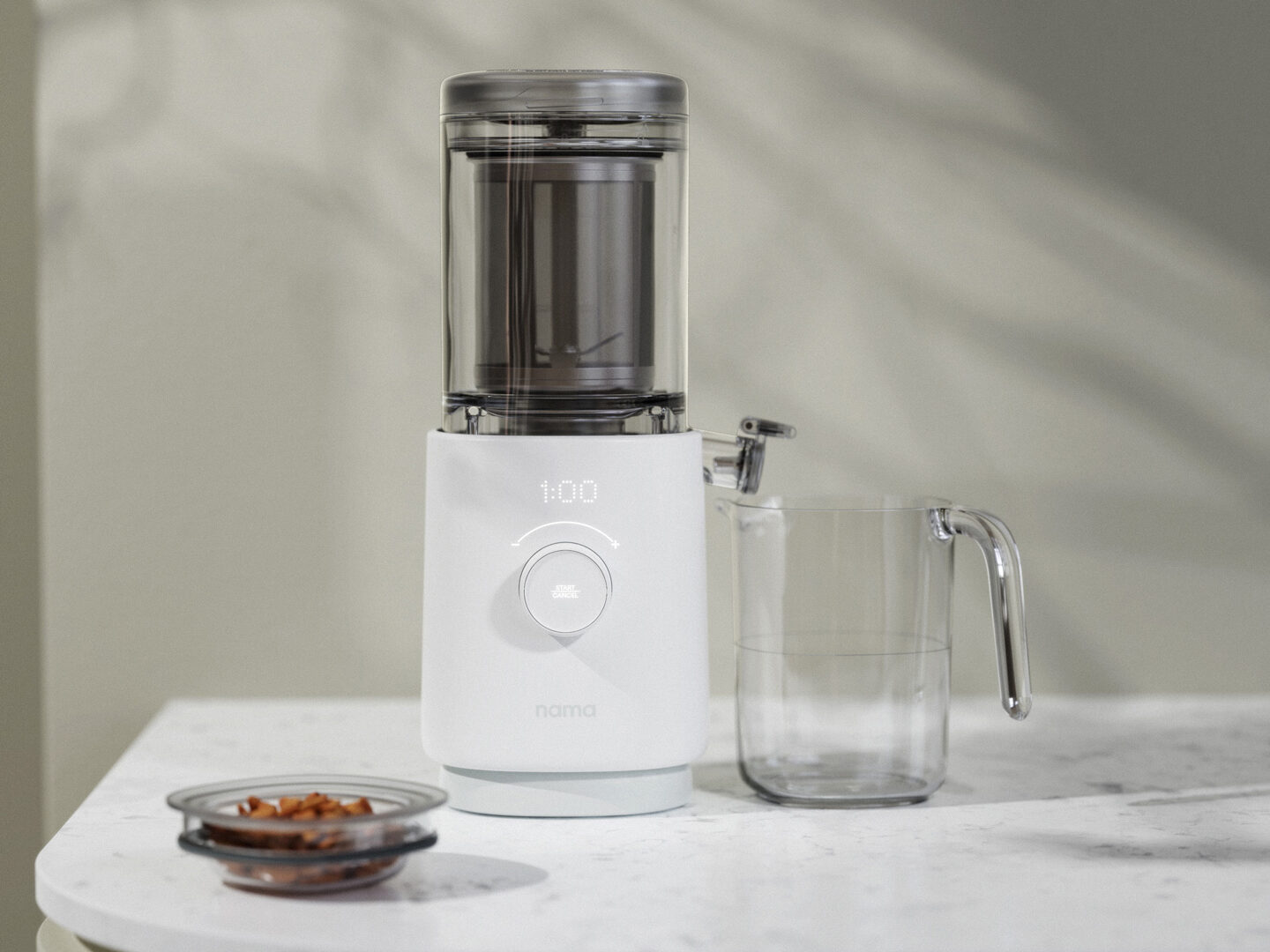
In 2020, Nama partnered with Alquemy to explore the future of food. The goal: develop a five-year product roadmap grounded in real consumer insights and aligned with Nama’s plant-based mission. Leading that journey was the Plant-Based Milk Maker a flagship product embodying Nama’s commitment to innovation, sustainability, and design integrity.
Through deep research, hands-on testing, and rapid prototyping, Alquemy brought the concept to life combining patented functionality with award-winning industrial design. The result: a standout appliance that delivers consistently smooth, delicious beverages designed and built from the ground up by Alquemy.
Innovation from Irritation
Every great idea starts with a problem worth solving. At the project’s inception, Alquemy immersed itself in the fast-evolving world of plant-based milks, where tastes shift quickly and ingredients range from almonds to oats to potatoes.
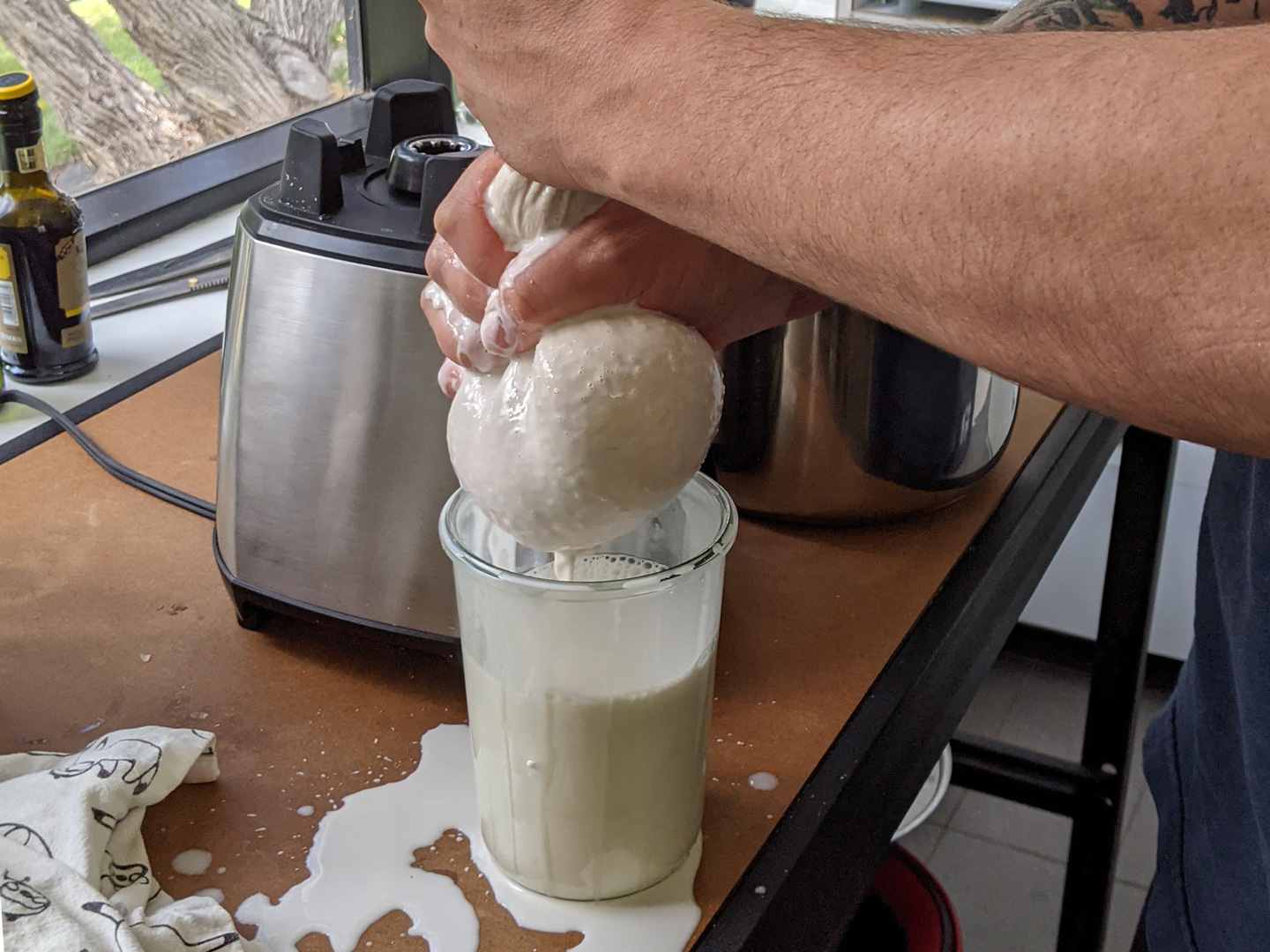
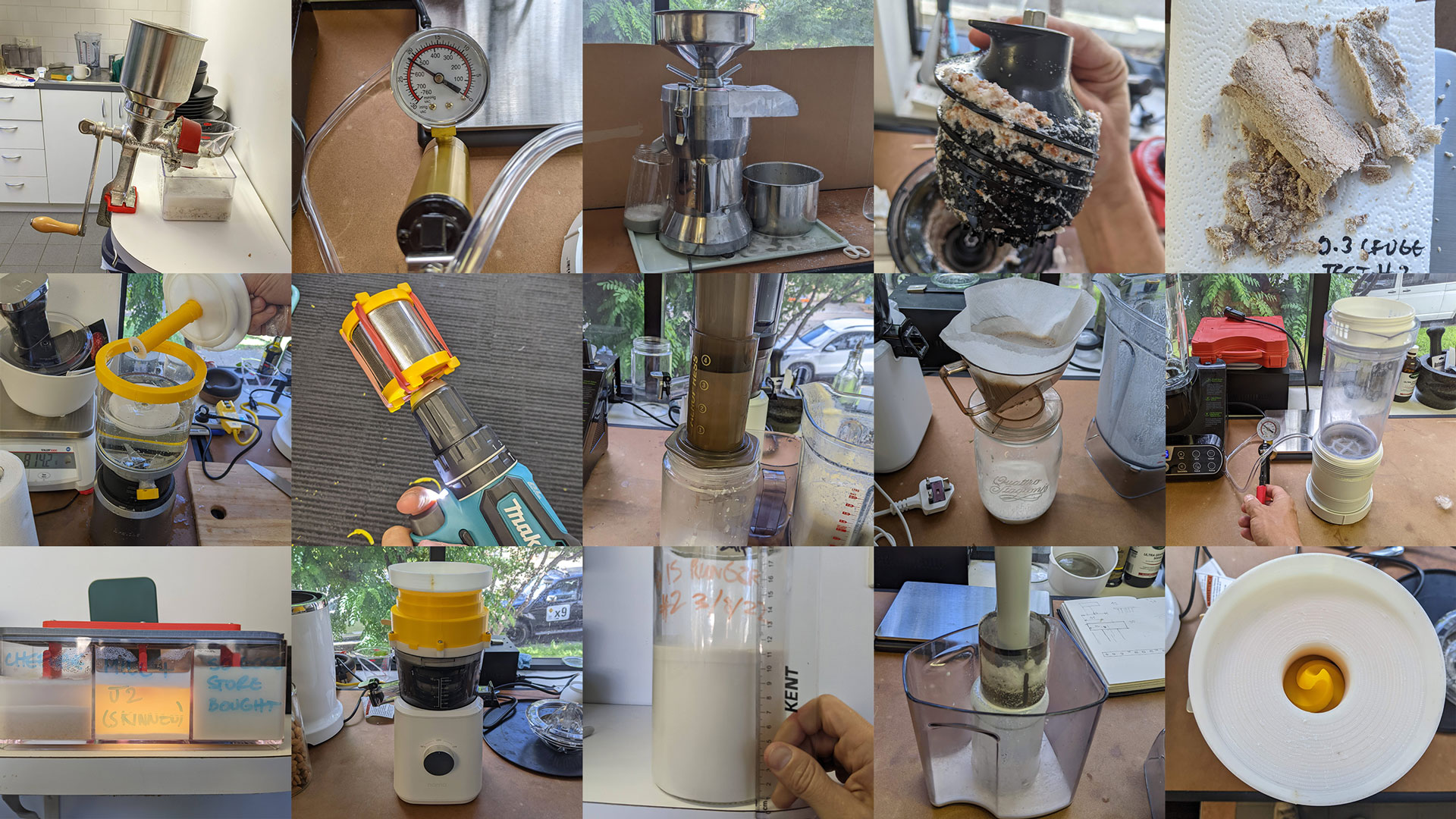
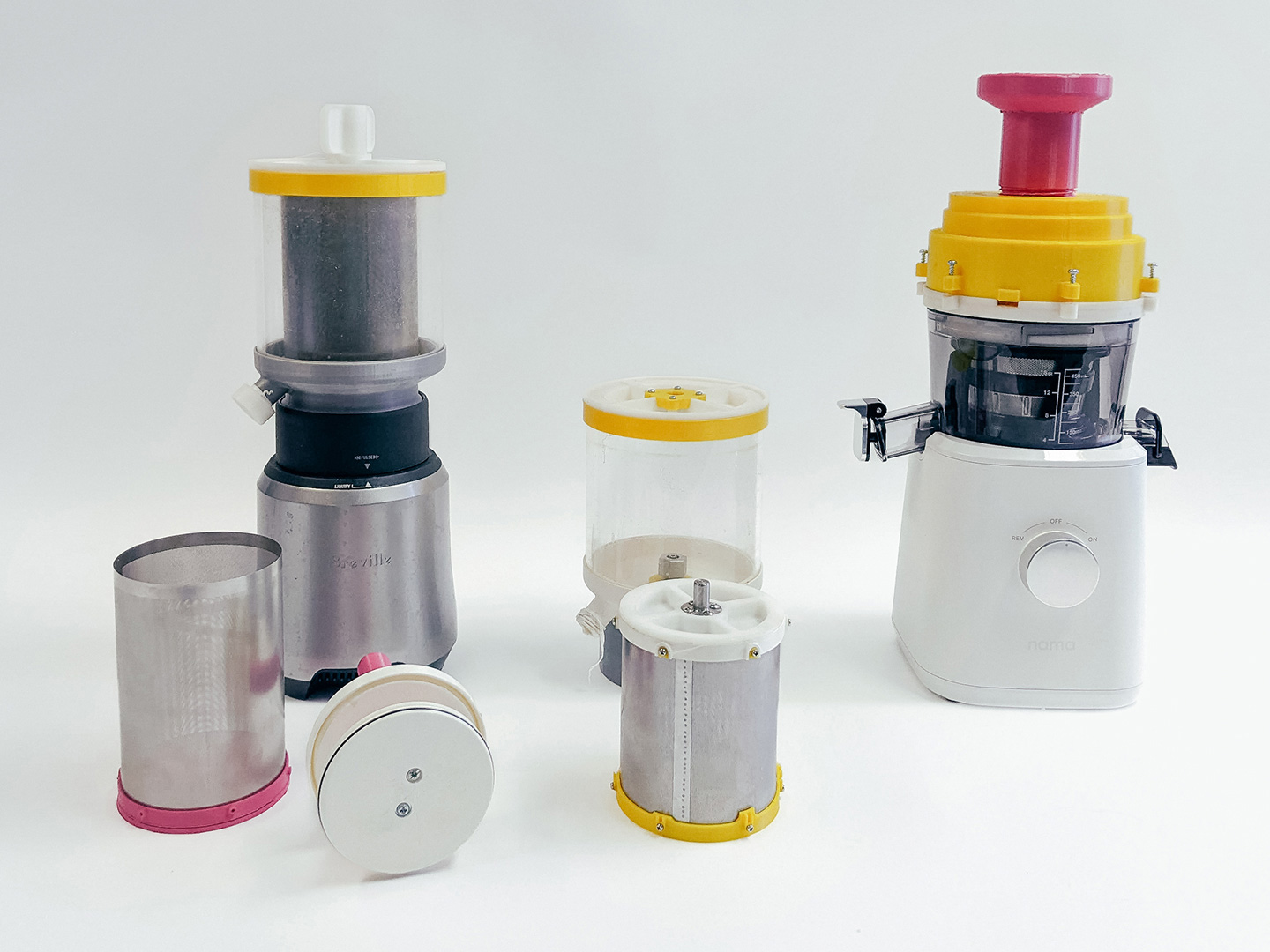
The team sourced, tested, and benchmarked the most popular and niche milk-making machines from around the world, many from the Asian market, putting each through its paces with a range of recipes. The goal: uncover user frustrations and find opportunities to redefine the experience.
Smart Technologies
Progress often begins by building on what works. Making plant milk requires two key processes: breaking down ingredients into fine particles and straining pulp from liquid. Alquemy explored combinations of proven methods for each, knowing true innovation would emerge at their intersection.
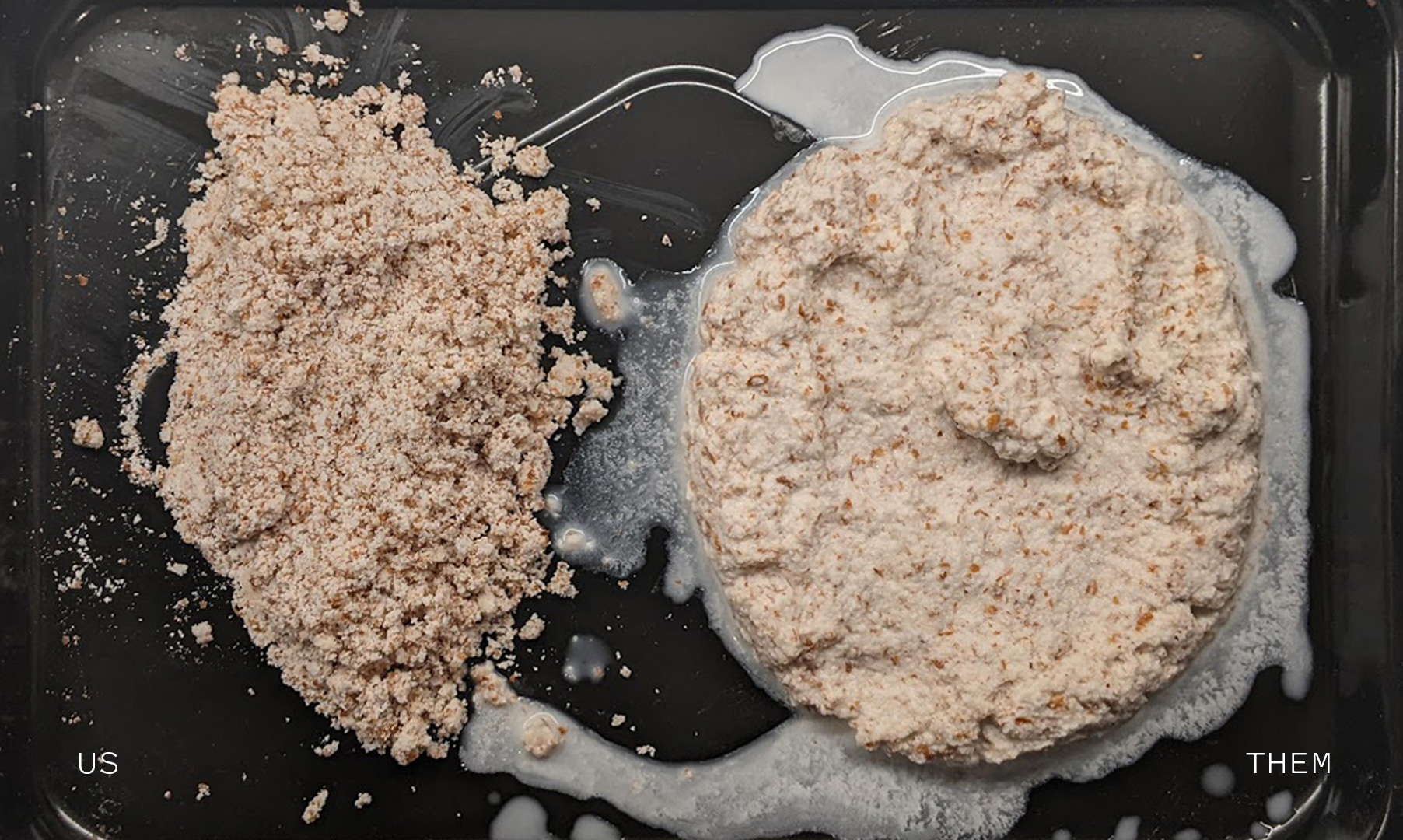
Dozens of quick, scrappy prototypes enabled fast testing and smarter failures. Each iteration was benchmarked using a custom, science-backed evaluation system developed in-house ensuring every improvement was measurable and meaningful.
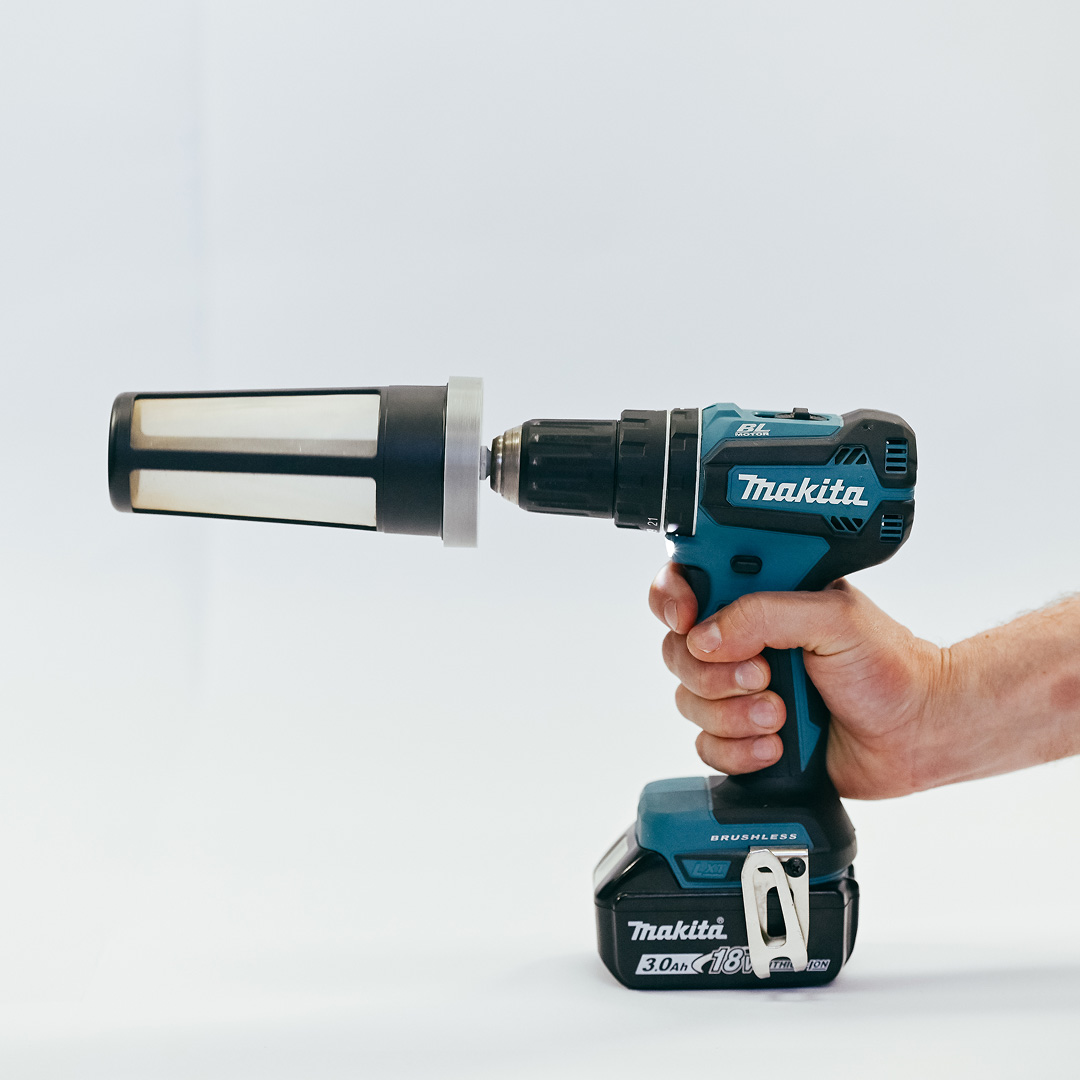
“What came out the other side was a new product archetype. A hybrid of technologies, combined in a way no one had seen before, and performed like nothing else.”
Interaction, Refined
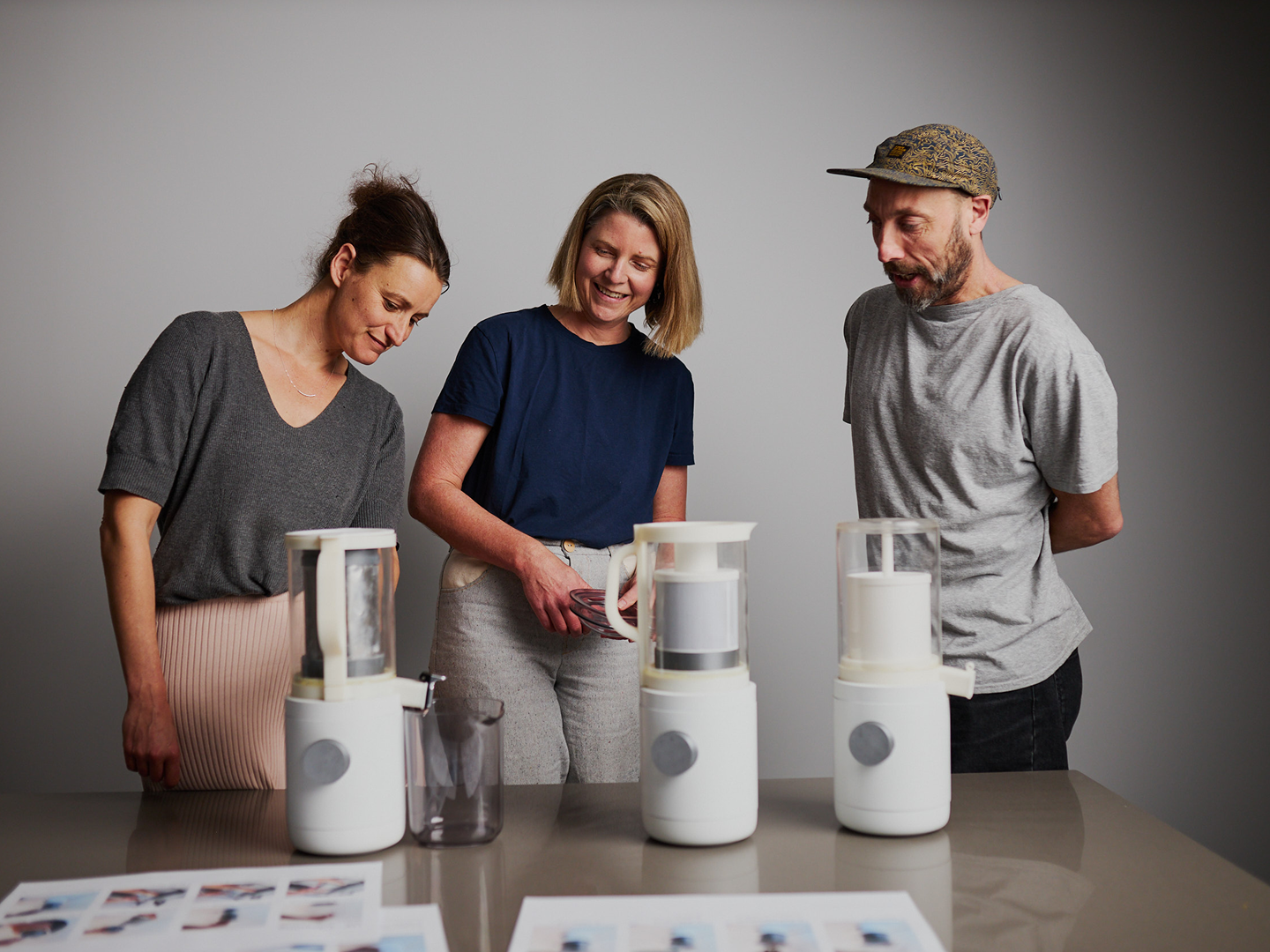
Using sketches, models, and collaborative workshops, the team explored user interaction across a range of design archetypes, each shaped around our unique technology mix.
The goal: reduce the process to three simple steps.
Add ingredients → Start machine → Dispense milk.
Through iterative refinement, every touchpoint was considered, from intuitive operation to effortless cleaning, and even thoughtful storage solutions for milk and leftover pulp. Every decision was tested, refined, and resolved through design.
Less is More
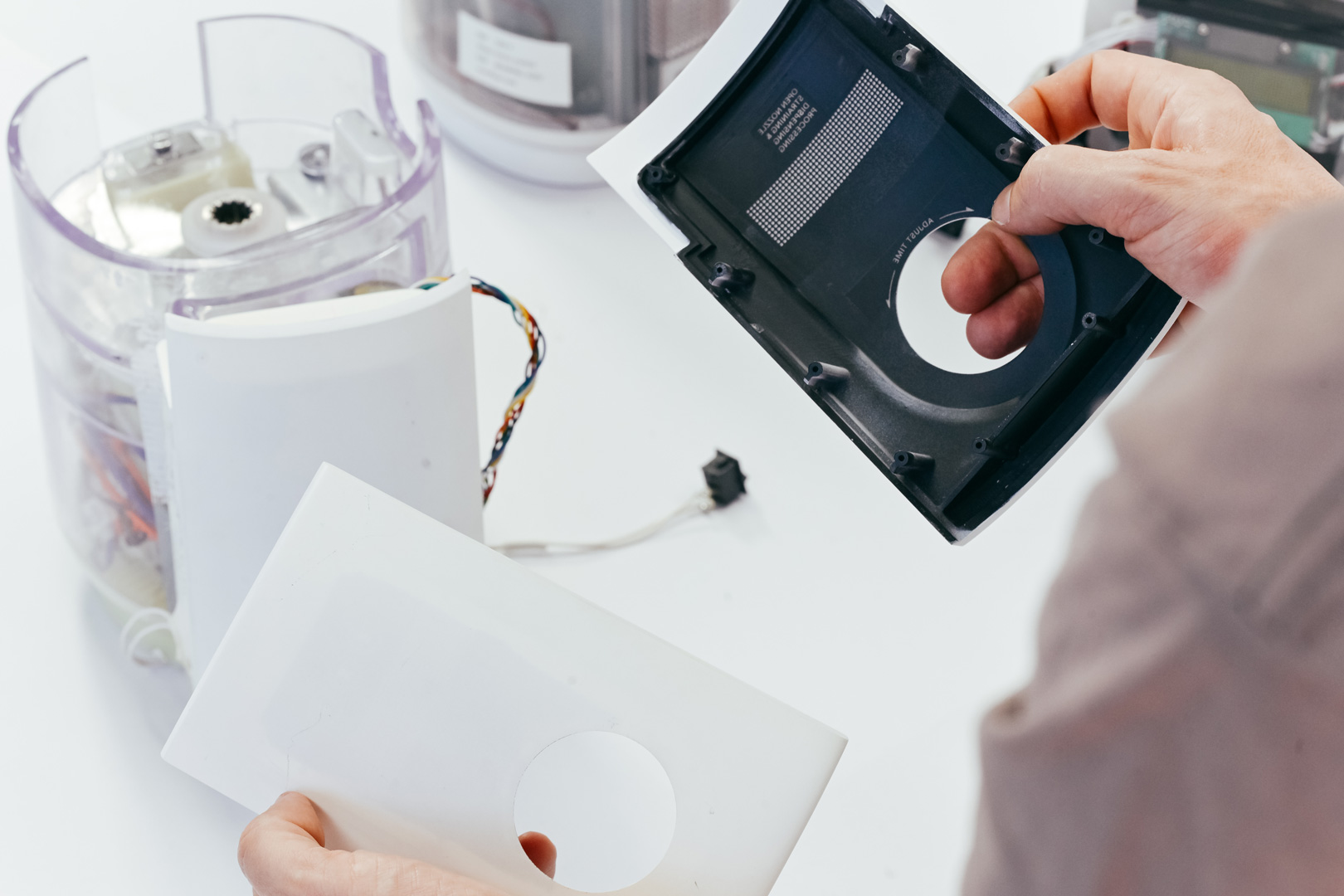
One of the core principles Alquemy established with Nama was to create calm, discreet products, objects free from visual noise, unnecessary graphics, or distraction when not in use.
Early prototypes revealed the need for user feedback during operation, traditionally solved with bright displays or intrusive indicators. The team’s solution: a Dead-Front Dot Matrix display that remains invisible when off, then comes alive during use, providing clear feedback and a subtle moment of delight.
Filtration Basket
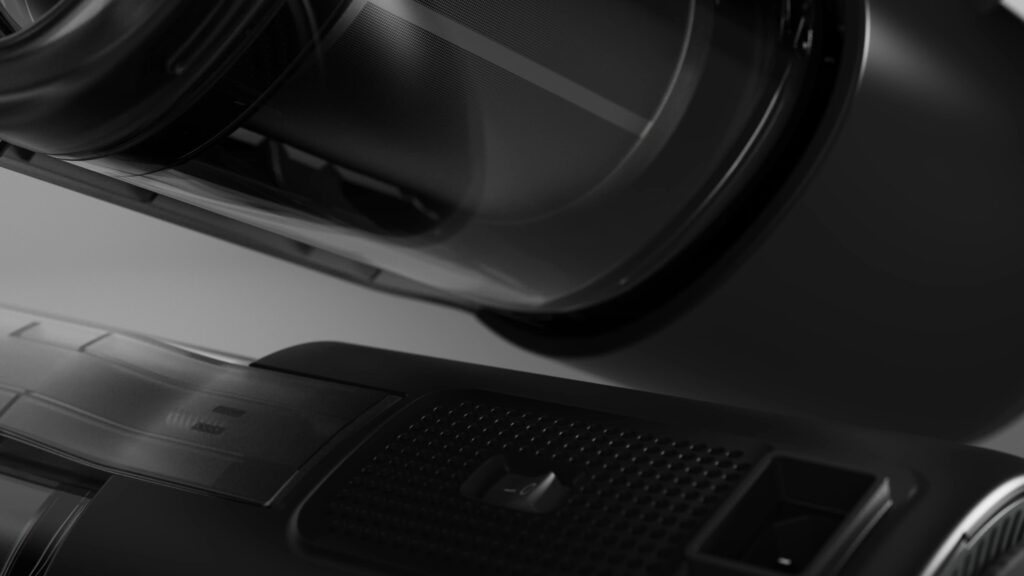
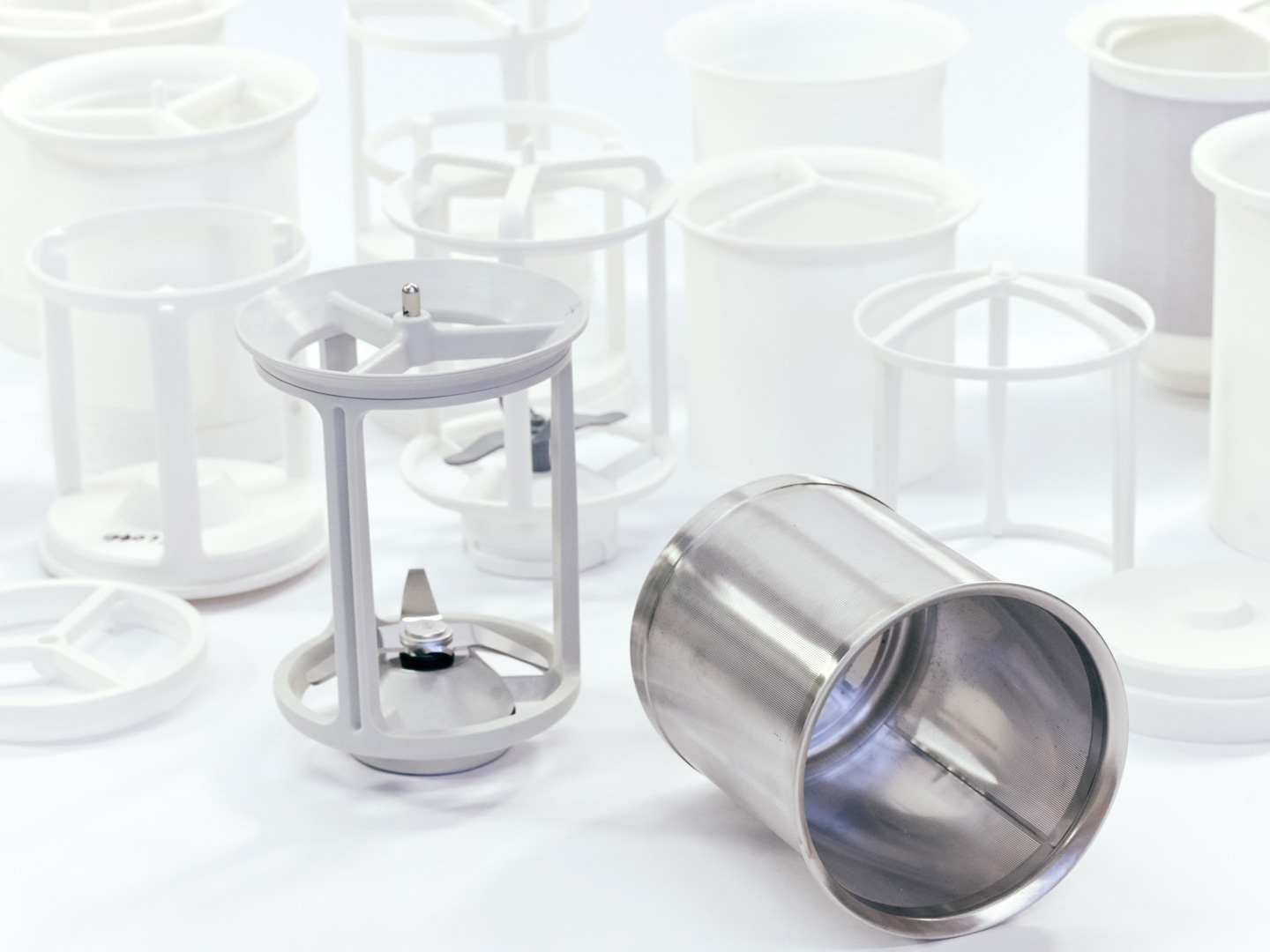
At the core of the M1 is the large filtration basket, a deceptively simple fix to a stack of technical and user headaches and the result of years of testing and improvement. It generous capacity handles any ingredient you throw at it, and its open-ended form makes loading easy and mess-free.
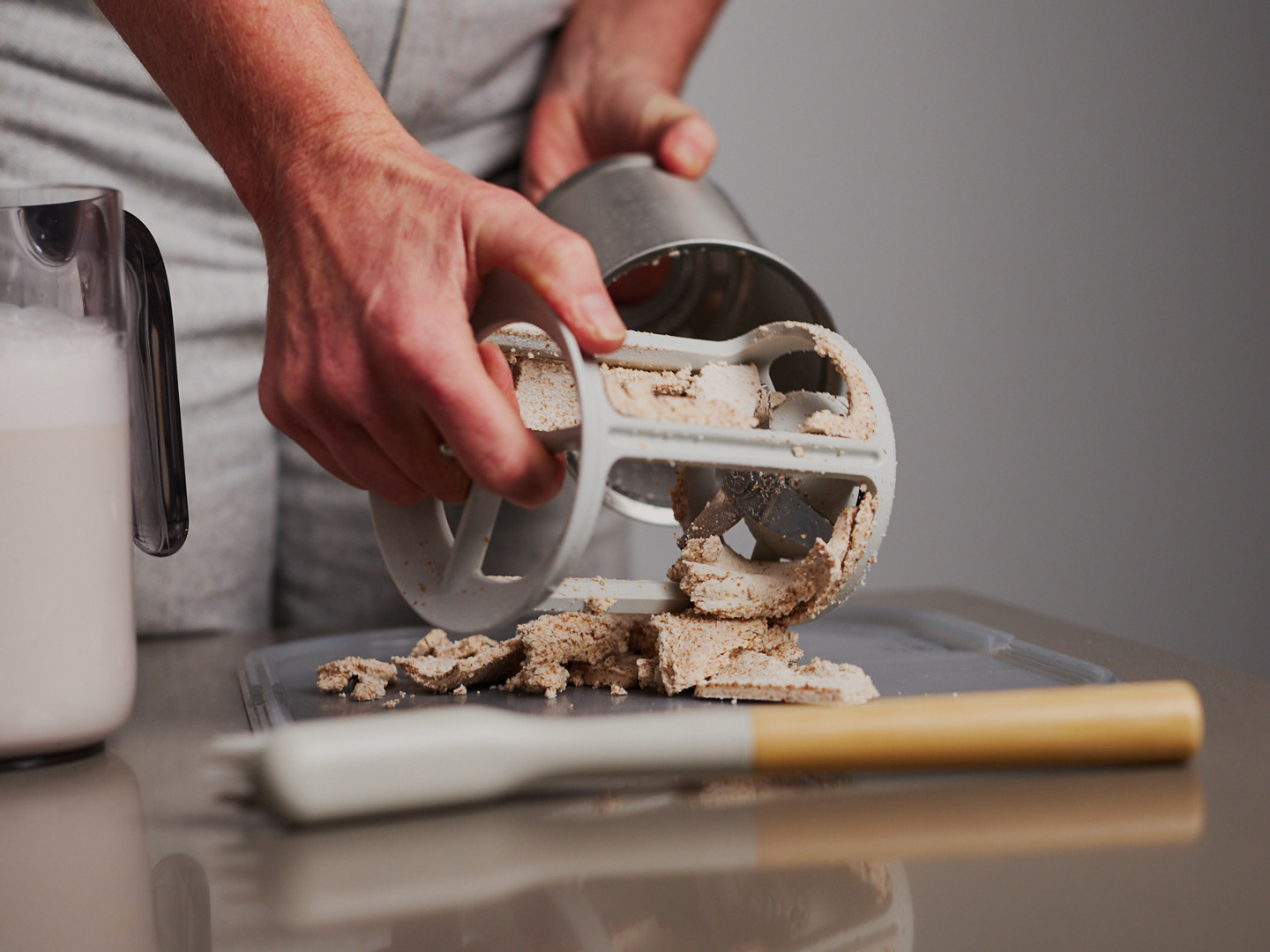
As it spins, centrifugal force separates liquid from pulp and dries it. Efficient, but with a catch: the same force welds pulp to the basket walls, making clean-up a nightmare.
Our solution? A separate internal cage. It supports the basket structurally and, on removal, scrapes the pulp clean. No fuss, no tools, just clever design.
Designed to Complete the Experience
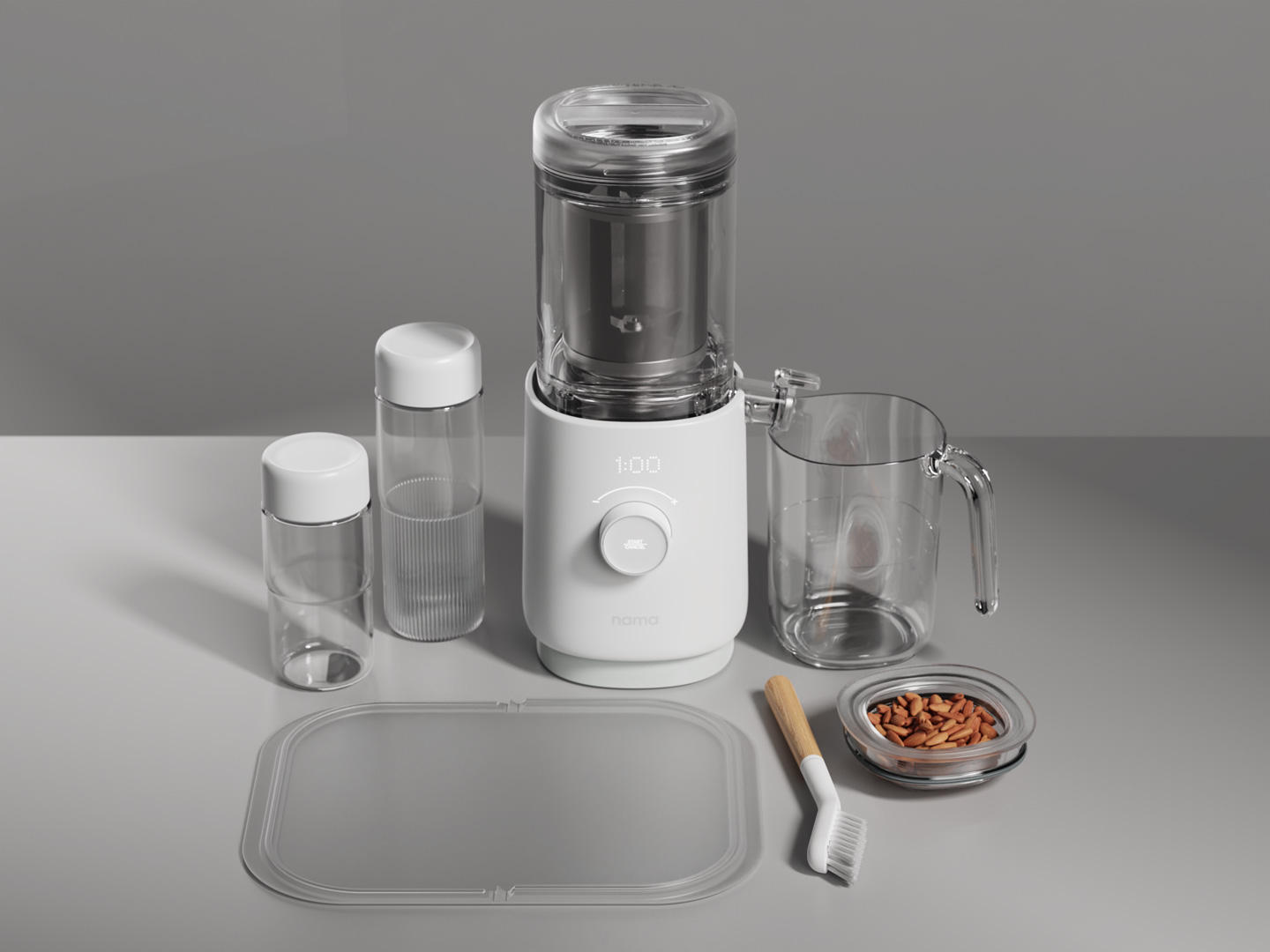
No great product lives in isolation. Alongside the M1, Alquemy designed a family of accessories that elevate every step of the process from preparation to clean up, making the ritual of plant-based milk effortless and satisfying.
The pulp mat folds neatly for storage and unfolds into a soft, structured workspace, turning what was once waste into a resource ready for reuse or compost.
The cleaning brush features a dual-head design: a broad brush for quick, efficient cleaning and a detailed tip that reaches into every crevice of the filtration basket—proof that attention to detail can transform maintenance into a moment of considered design.
The jug and dosing lid streamline preparation, measuring out the perfect serving of ingredients with precision and ease. Together, these accessories extend the M1’s design language and purpose, creating a cohesive ecosystem where every tool is as thoughtful as the machine itself.


Related Projects
IFIXIT
COMMON TIGER
